Understanding Attractiveness: The Science Behind Beauty
Attractiveness is a multifaceted concept that intertwines biological, psychological, and sociocultural dimensions. As individuals increasingly seek validation and insight into their appealing qualities, the demand for tools that test attractiveness has surged. Whether it's through AI-powered applications or traditional assessments, understanding what constitutes beauty can unravel many societal perceptions and personal aspirations.
What Defines Attractiveness?
Attractiveness incorporates various elements ranging from physical features to personality traits. Biological perspectives often emphasize evolutionary traits that signal health and fertility, such as facial symmetry and clear skin. However, psychological and sociocultural factors also play significant roles. Cultural beauty standards can shift dramatically over time, influenced by media representation, fashion trends, and social norms, making attractiveness a complex interplay of inherent and external influences.
The Role of Facial Symmetry in Attractiveness
Facial symmetry has long been regarded as a marker of beauty, often associated with genetic health. Studies suggest that symmetrical faces are perceived as more attractive because they can indicate genetic diversity and reproductive fitness. Yet, it’s essential to note that while symmetry plays a role, it is not the sole determinant. Features such as skin tone, facial structure, and even an individual's emotional expressions contribute to the overall perception of attractiveness.
How Cultural Influences Shape Beauty Standards
Cultural backgrounds significantly influence what is considered attractive. For instance, in some cultures, lighter skin is favored, while in others, darker skin tones are celebrated. Similarly, body shapes and sizes that are deemed attractive can vary, illustrating that attractiveness is not a universal standard. Engagement with diverse cultures can enrich our understanding of beauty, highlighting the importance of inclusivity and representation in discussions around attractiveness.
How to Test Attractiveness: Tools and Methods
With the rise of technology, numerous platforms now offer ways to determine one’s attractiveness. These tools vary in methodology and accuracy, and understanding the different types is key to making informed choices about how to evaluate personal appeal.
Overview of Popular Attractiveness Tests
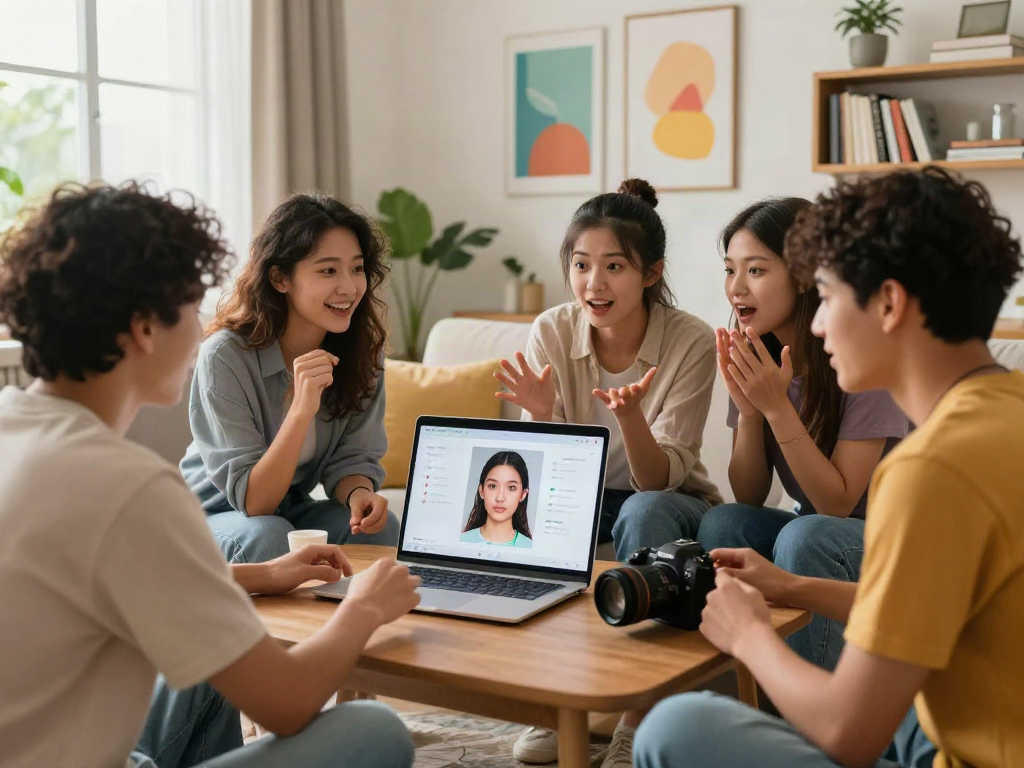
Various online tests utilize AI and algorithms to rate facial features based on established beauty standards. Many offer quick assessments, where users upload a photo and receive a score based on factors like facial symmetry, proportions, and other aesthetic attributes. Examples of popular tests include those found on sites like PFPMaker, which analyze various beauty dimensions.
Steps to Use Online Attractiveness Assessments
- Select a Reputable Site: Choose a platform known for its accuracy and reliability.
- Upload a Clear Photo: Make sure the image is well-lit and clear for the best assessment.
- Await Your Results: Many tests will provide instant feedback, showing your score alongside explanations of the factors considered.
It’s important to maintain a critical perspective when engaging with these tests, understanding that results may not fully capture the nuances of personal attractiveness.
Evaluating the Accuracy of AI-Driven Tests
While AI tests offer a quick snapshot of attractiveness, their accuracy can vary. These tests analyze patterns and may not consider personal style or charisma, which can enhance perceived attractiveness. Therefore, it's prudent to view AI assessments as one measure among many in understanding beauty.
Common Misconceptions About Attractiveness Testing
Many myths surround the concept of attractiveness testing, with misconceptions often hindering people from understanding their true selves. Addressing these misconceptions can empower individuals in their journeys toward self-acceptance.
Are AI Tests Truly Reliable?
While AI has made strides in understanding human features, the reliability of attractiveness tests can be questionable. These tools primarily focus on physical characteristics, neglecting other vital factors like emotional intelligence, confidence, and unique personality traits. Therefore, results should be taken with a grain of salt.
Understanding the Limitations of Attractiveness Scores
Attractiveness scores often provide a numerical rating, but such quantification can be misleading. Scores don’t account for personal preferences or the context in which attractiveness is perceived. Individual beauty is fluid and subjective, shaped by personal experiences and cultural backgrounds.
Separating Myth from Fact: Expert Insights
Experts emphasize that beauty is subjective; what one person finds attractive might not appeal to another. Psychological studies indicate that factors such as confidence and approachability play critical roles in how attractiveness is perceived, underscoring the importance of inner beauty in the conversation around attractiveness.
Enhancing Your Attractiveness: Practical Tips
Attractiveness is not solely about meeting beauty ideals; it also encompasses personal well-being and confidence. Here are practical strategies to enhance your attractiveness holistically.
Effective Skincare Routines for Better Results
Healthy skin radiates attractiveness. Establishing a regular skincare routine tailored to your skin type can enhance your features. Incorporate cleansing, moisturizing, and protection from sun damage for optimal skin health.
Choosing the Right Hairstyle and Makeup
Investing time in hairstyles and makeup that complement your face shape can significantly boost attractiveness. Experimenting with different looks can help you discover what enhances your features and brings out your best self.
Building Confidence: The Ultimate Attractiveness Booster
Confidence is often regarded as one of the most attractive traits a person can possess. Engaging in activities that boost self-esteem, such as public speaking or joining groups, can help foster a sense of confidence that is visibly attractive to others.
The Future of Attractiveness Testing in 2026 and Beyond
The landscape of attractiveness testing is continually evolving, driven by technological advancements and shifting societal norms. Understanding these changes can help individuals navigate their self-perception and beauty standards in the future.
Emerging Technologies in Facial Analysis
Future improvements in AI and facial recognition technology will likely provide more nuanced insights into attractiveness. As algorithms become more sophisticated, they may incorporate personality factors and emotional intelligence into assessments, moving beyond mere physical evaluation.
Predicting Trends in Beauty Perceptions
As society becomes increasingly aware of diverse forms of beauty, we can expect trends to shift toward inclusivity and representation. Emerging platforms may prioritize showcasing varied body types, skin tones, and styles, challenging traditional beauty norms.
What Consumers Want from Attractiveness Tests
Consumers are looking for authenticity in attractiveness assessments. Tools that offer personalized feedback, incorporate lifestyle factors, and empower individuals through education and self-awareness are critical as we move forward into a society that values individuality over conformity.
How can I test my attractiveness?
Testing your attractiveness can be done through various online platforms offering AI assessments. Remember, the score is just one means of evaluation.
Is 7 out of 10 considered attractive?
A score of 7 out of 10 often suggests a favorable impression, but attractiveness is subjective and context-dependent.
Is there an accurate attractiveness test?
While no test can provide a definitive answer, many utilize algorithms that consider common beauty standards. However, complementary personal insights are essential.
Is a 6.5 out of 10 attractive?
Similar to the previous scores, a 6.5 indicates a generally positive perception of attractiveness, but individual preferences vary greatly.
What factors influence my attractiveness score?
Several factors contribute to attractiveness scores, including facial symmetry, features, personal grooming, and even the emotional resonance conveyed through expressions.