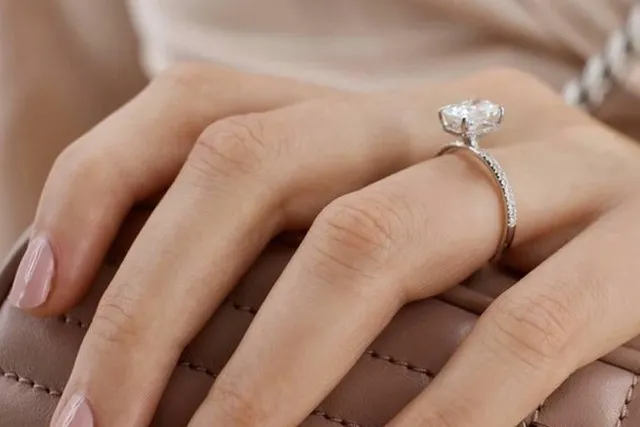
A ring can be impressive in a photograph yet feel quite different once it is seen on the hand. Fine jewellery earns its place through proportion, material quality and the ease with which it fits real wardrobes. The selection of Fine engagement rings offers a useful reference point for comparing those decisions in complete designs. The aim is not to follow a universal formula, but to understand which features will still feel right after the proposal photographs are finished.
For fine engagement rings, begin by naming the quality you want the design to express—considered scale, refined finish and a clear relationship to the wearer. A successful design coordinates appearance with comfort, secure construction and realistic long-term care. These elements need a clear hierarchy, with one feature leading and the others supporting it. View the piece at normal distance and then from the side; close-up imagery can hide the way it actually occupies the finger.
What defines the look
Begin with how the piece will be worn: daily, layered, saved for occasions or given as a symbolic gift. That purpose should guide stone size and complexity. Compare the complete piece rather than judging one specification in isolation, and ask how each design choice changes the view from above and from the side. Together, those decisions determine the natural-distance impression created by fine engagement rings.
Specifications are useful filters, but they must return to visual judgement. Compare two or three credible options under neutral light and notice where the eye lands first. If the band, accents or metal colour overpower the idea behind “How to Choose a Fine Engagement Ring That Suits Your Style and Budget”, simplify one variable instead of compensating with more size or decoration.
Choosing proportion with purpose
The supporting details of fine engagement rings deserve equal care. A coherent collection repeats one element—metal tone, stone colour or line—without requiring every piece to match exactly. Future wedding bands or stacking pieces should be considered early enough to avoid an awkward gap or unwanted friction. The relationship between these elements should look intentional from the top, side and three-quarter view.
Judge the scale of fine engagement rings on the intended wearer. Finger width, knuckle shape and personal style all affect whether a piece appears delicate, balanced or boldly deliberate. Ask for millimetre measurements where relevant, because carat weight and photographs do not fully explain face-up spread, band width or setting height.
Living with the ring day to day
In daily use, fine engagement rings must succeed as jewellery rather than only as an image. Comfort, fastening and scale matter as much as appearance, especially for pieces worn for long periods. Fit, height and edge profile decide whether a beautiful piece feels natural during ordinary hand movement. The final profile should leave the wearer confident about comfort, balance and future pairing.
Caring for fine engagement rings starts with understanding the construction. Store pieces separately, close clasps before storage and use cleaning methods suited to the least robust material in the design. A straightforward maintenance plan should be understood before purchase, including cleaning, inspections and any finish-specific care. Discuss resizing, repair access and the intended wedding or stacking band before committing. Those practical questions protect the design by making sure it can be worn and maintained rather than reserved for occasional use.
Final Thought
The strongest choice within fine engagement rings is not automatically the largest or most elaborate. It feels deliberate from every angle, sits comfortably and reflects the wearer’s real taste. Careful comparison and one genuinely meaningful detail will give the piece more lasting presence than decoration added without purpose.