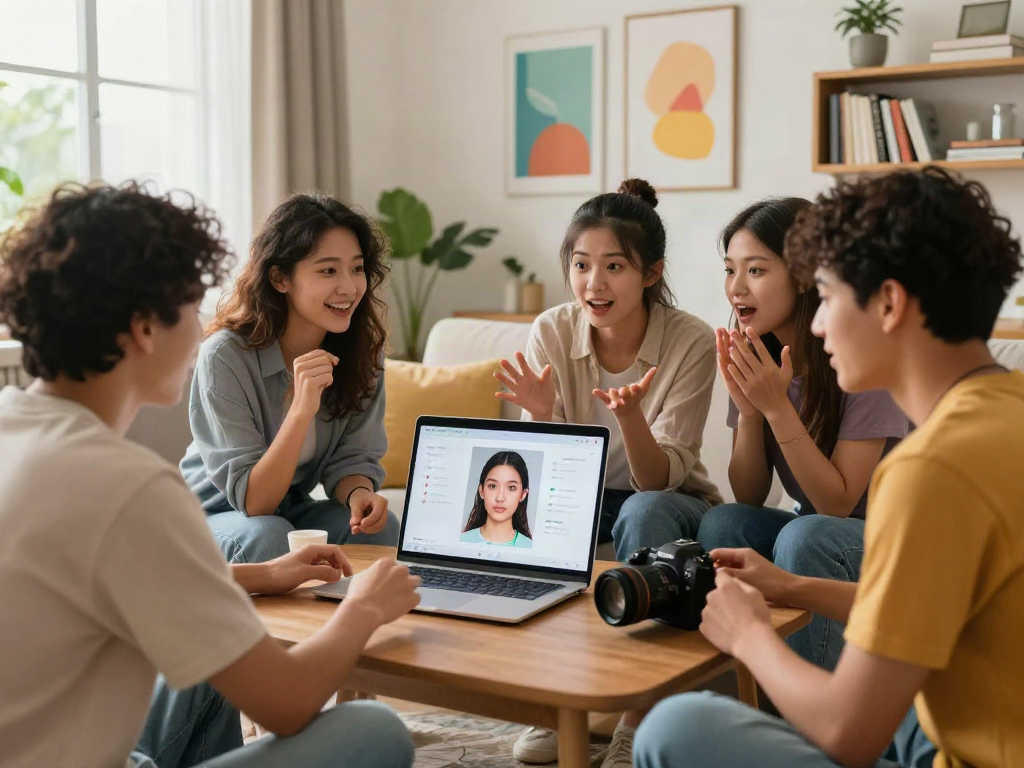
Understanding Age Perception
Asking "how old do I look?" is more than a simple inquiry about appearance; it taps into deeper societal norms, personal insecurities, and the psychology of aging. For many, age is a sensitive subject, and how we perceive our age can significantly influence our self-image and social interactions. This quest for validation often leads individuals to explore various tools and technologies designed to provide insights into their perceived age, combining curiosity with the desire for self-improvement.
What Does It Mean to Ask "How Old Do I Look?"
At its core, asking about one's perceived age often reflects an individual's desire for affirmation, acceptance, or understanding of how societal markers of age affect their personal identity. This question can arise from various contexts—be it a casual conversation, a social media interaction, or even a moment of self-reflection. It symbolizes a broader engagement with the self, where personal aesthetics and societal expectations intersect.
Cultural Influences on Perceptions of Age
Across cultures, perceptions of age can vary significantly. In some societies, youth is prized, while in others, wisdom associated with older age is esteemed. These cultural nuances shape how individuals view aging and can impact their responses to age-related inquiries. Understanding these differences can empower individuals to embrace their aging process more positively, regardless of cultural pressures that often dictate an ideal of perpetual youth.
Psychology Behind Age Guessing
The psychological aspect of age perception is profound. Our inherent biases and societal conditioning can lead us to associate certain traits with particular ages. For example, we often equate smooth skin with youthfulness, while the presence of wrinkles may lead us to estimate an older age. This psychological framework is what fuels tools claiming to determine how old we appear, integrating both science and societal perception into their algorithms.
The Role of Technology in Age Estimation
Advancements in technology have revolutionized how we assess our age appearance. Today, tools such as AI-driven applications offer users interactive experiences where they can receive real-time analysis of their facial features. When exploring options, how old do i look provides comprehensive insights into perceived age, making it a popular choice among users looking for a quick evaluation.
AI and Facial Recognition Advancements
Recent improvements in AI and facial recognition have led to remarkable accuracy in age estimation tools. These advancements utilize complex algorithms to analyze various facial markers—like skin elasticity, wrinkles, and blemishes—that signify aging. By employing machine learning, these tools can provide a surprisingly accurate estimate of a person's age based on their facial features, often with results that are startlingly close to their actual age.
Popular Apps and Tools Analyzing Age
There are numerous apps available that assist in determining how old someone appears. Popular options include FaceAge.ai and Fotor, both of which allow users to upload photos and receive instant age estimations. These tools not only provide amusement but also serve as benchmarks for individuals interested in their personal aesthetics and health journeys.
How Accurate Are These Predictions?
While many age estimation tools boast high accuracy rates, it is important to approach these results with a critical eye. Factors such as lighting, facial expressions, and image quality can significantly influence the outcome. Additionally, the algorithms behind these tools are continuously improving, with the potential for enhanced accuracy over time, but users should remain aware that these are still estimates rather than definitive answers.
Impact of Age Perception on Self-Image
The question of "how old do I look?" deeply connects to self-image and personal confidence. The way individuals perceive their age can directly affect their emotional health and social interactions.
Emotional Responses to Age Estimation
Responses to age estimations can range from delight to despair. For some, receiving a younger age can bolster confidence, while for others, an older estimate may evoke feelings of insecurity. These emotional reactions can be powerful, leading individuals to engage in various self-care practices or even undergo cosmetic procedures to align their appearance with their age expectations.
How It Affects Confidence and Self-esteem
Your perceived age can greatly influence your self-esteem and overall confidence. Individuals who feel they look older than they are may struggle with self-image issues, potentially leading to a decline in social engagement or the pursuit of personal goals. Conversely, those who feel younger than their chronological age may experience a boost in confidence, leading to more vibrant social interactions.
Real-life Stories and Testimonials
Personal anecdotes often illustrate the power of age perception. Stories of individuals who utilized age estimation tools reveal a range of experiences—from those who embraced their natural aging process to those who felt compelled to make changes to match societal beauty standards. These narratives serve to highlight how individual perceptions can shape personal journeys and influence lifestyle choices.
Debunking Myths Surrounding Age Appearance
In the age of information, myths and misconceptions regarding aging can easily proliferate. It’s crucial to challenge these beliefs to foster a healthier relationship with aging.
Common Misconceptions About Aging
One prevalent myth is that aging equates to decline in health and beauty. This narrative overlooks the diversity of aging experiences, where many individuals continue to lead vibrant, fulfilling lives well into their later years. Dispelling such myths can encourage a more balanced perspective on aging, promoting acceptance of the natural process.
The Truth About Genetics and Lifestyle Choices
Genetics undoubtedly play a role in how we age, but lifestyle choices—including diet, exercise, and skincare—impact our appearance significantly. A nourishing diet rich in antioxidants, regular physical activity, and a solid skincare regimen can help mitigate visible signs of aging, proving that proactive choices can lead to a healthier, younger-looking appearance.
Understanding Aging Across Different Cultures
Aging is viewed differently around the world. In many Eastern cultures, age is synonymous with respect and wisdom, whereas Western societies may prioritize youthfulness. By understanding these cultural perspectives, individuals can cultivate a more inclusive view of aging, recognizing the value of experience and age as a source of strength.
Future Trends in Age Estimation Technology
As technology continues to advance, the future of age estimation holds exciting possibilities. With innovations on the horizon, we can expect even more refined tools and applications in the coming years.
Emerging Tools for Facial Analysis in 2026
By 2026, we may see the rise of increasingly sophisticated age estimation tools that integrate augmented reality and machine learning to enhance user experience. These tools could allow for real-time facial analysis during video calls or social media interactions, creating a seamless blend of technology and daily life.
The Evolution of Privacy in Age Estimation
With the growing concern surrounding data privacy, future age estimation tools will likely prioritize user security. The evolution of privacy measures will play a crucial role in how these technologies are embraced by the public, ensuring that users can benefit from age estimation without sacrificing their personal information.
What We Can Expect Moving Forward
As we look ahead to the future of age estimation, the focus will likely shift towards enhanced accuracy, user privacy, and integration with other health tracking technologies. The potential to empower individuals with insights about their aging process will reshape how we perceive age overall, encouraging a healthier dialogue around this inevitable aspect of life.
What tools can help me determine how old do I look?
Several tools are available to help individuals figure out how old they appear. These range from web-based applications to smartphone apps that utilize AI-driven technology to provide age estimations based on uploaded photos.
Are age estimation tools accurate?
While many age estimation tools offer fun and intriguing insights, their accuracy can vary based on multiple factors. Users should approach the results with an understanding that these tools provide estimates rather than definitive answers.
How does age perception affect business marketing?
In the realm of business, understanding age perception is crucial for effective marketing. Brands that resonate well with their target demographics often account for aging perceptions in their campaigns, crafting messages that appeal to both younger and older audiences.
Can I change how old I look with lifestyle choices?
Absolutely! Lifestyle choices play a pivotal role in how old or young you appear. A balanced diet, regular exercise, and a consistent skincare routine can significantly impact your visible age, allowing individuals to embrace a more youthful appearance.
What should I consider when uploading my photo to an age estimator?
When using age estimation tools, consider factors such as lighting, background, and facial expressions. A clear, well-lit image with a neutral background will provide the most accurate analysis, ensuring the algorithm can assess your facial features effectively.