Understanding CNC Machining in 2026
CNC machining has fundamentally transformed manufacturing processes since its inception, bringing precision and efficiency to a range of industries. As we move into 2026, the advancement of technology, coupled with increasing customer demands for high-quality components, is reshaping the landscape of CNC machining. With over two decades of experience, cnc machining parts manufacturer Honscn remains at the forefront of these developments, committed to delivering precise and reliable parts for various applications.
What is CNC Machining?
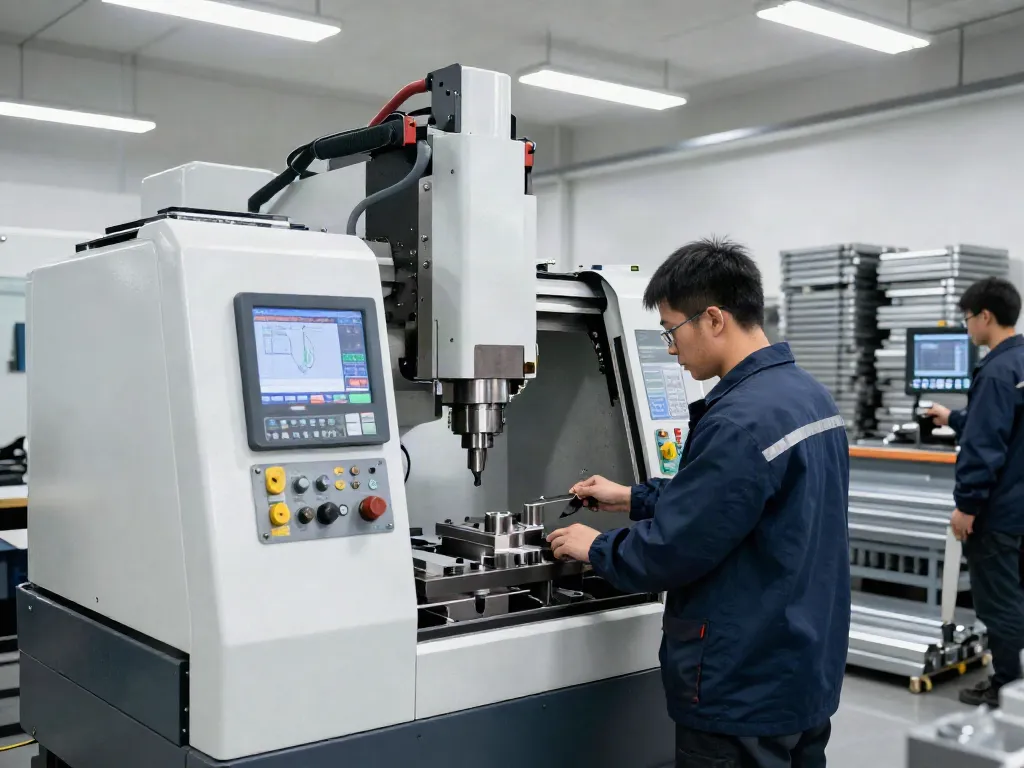
CNC machining, or Computer Numerical Control machining, is a highly automated manufacturing process that utilizes pre-programmed computer software to control the movement of machinery. This technology allows for the production of complex parts with high precision and repeatability. The core processes involved in CNC machining include milling, turning, drilling, and grinding, which can be applied to a variety of materials such as metals, plastics, and composites.
Key Benefits of CNC Machining Parts Manufacturing
There are numerous advantages associated with CNC machining that make it an essential choice for manufacturers:
- High Precision: CNC machines can achieve tolerances as tight as +/- 0.01 mm, making them ideal for industries requiring precise components, such as aerospace and medical.
- Increased Efficiency: Automation reduces human error and increases production speed, allowing for rapid turnaround times and large-scale runs.
- Versatility: CNC machining can produce a wide range of part shapes and sizes, adapting to various design requirements.
- Cost-Effectiveness: Once the initial setup is complete, CNC machining can be more cost-effective for high-volume production than traditional methods.
Emerging Technologies in CNC Machining
The CNC machining industry is continually evolving, with several emerging technologies that are shaping its future. Notable among these are:
- 5-Axis Machining: This advanced technology allows for more complex part geometries and reduces the need for multiple setups.
- Additive Manufacturing Integration: Combining CNC machining with 3D printing capabilities can enhance design flexibility and material efficiency.
- Smart Manufacturing: The integration of IoT and AI in CNC operations enables real-time monitoring and predictive maintenance, resulting in reduced downtime and improved efficiency.
Choosing a CNC Machining Parts Manufacturer
Selecting the right CNC machining parts manufacturer is crucial for ensuring the quality and reliability of your components. Aspects to consider include:
Criteria for Selecting a Manufacturer
When looking for a CNC machining partner, consider the following criteria:
- Experience and Reputation: Look for manufacturers with a proven track record in your specific industry.
- Certification: Ensure the manufacturer holds relevant certifications such as ISO 9001 to guarantee quality management standards.
- Technology and Equipment: Evaluate the types of machines and software the manufacturer uses to ensure they can meet your production needs.
- Customization Capabilities: Assess whether the manufacturer can produce parts tailored to your specific designs and specifications.
Evaluating Quality Assurance Practices
Quality assurance is fundamental to CNC machining. A reputable manufacturer should have robust quality control measures in place, including:
- Inspection Processes: Regularly inspecting parts during production to ensure they meet specified tolerances.
- Testing and Validation: Utilizing advanced testing methods, such as coordinate measuring machines (CMM), to verify part integrity.
- Feedback Mechanisms: Implementing feedback loops from customers to continuously improve processes and products.
Importance of Customer Support and Communication
Effective communication is vital in the manufacturer-client relationship. Choose a manufacturer that prioritizes customer support, offering:
- Responsive Communication: Quick responses to inquiries and issues.
- Transparent Processes: Clear visibility into the production process and timelines.
- Technical Support: Availability of engineers to assist with design challenges and technical questions.
Common Challenges in CNC Machined Parts Production
While CNC machining offers numerous benefits, it is not without its challenges. Here are some common issues manufacturers may face:
Addressing Accuracy and Tolerance Issues
Maintaining accuracy is paramount in CNC machining. Challenges such as tool wear, machine calibration, and environmental factors can impact tolerances. Regular maintenance and precise calibration of machines are essential for mitigating these risks.
Dealing with Material Limitations
Different materials respond uniquely to machining processes. Understanding the limitations of materials, such as hard-to-machine alloys or composite materials, is critical for successful production. Manufacturers should evaluate the properties of materials and optimize machining parameters accordingly.
Overcoming Production Delays
Production delays can stem from a variety of sources, including equipment failure, supply chain disruptions, or unexpected design changes. Effective planning and adaptive strategies, such as maintaining a buffer inventory or employing predictive maintenance, can help mitigate these delays.
Best Practices for CNC Machining Design
Designing parts for CNC machining requires careful consideration to optimize the manufacturing process. Here are some best practices:
Optimizing CAD Models for Machining
Creating CAD models that align with CNC machining capabilities is essential for ensuring manufacturability. This includes simplifying designs when possible and clearly defining geometric tolerances.
Material Selection Strategies
Selecting the appropriate material is crucial for the success of CNC operations. Factors such as material cost, machinability, and finished part requirements should all be considered. For instance, aluminum is often favored for its light weight and ease of machining, while stainless steel offers durability in harsh environments.
Design for Manufacturability (DFM) Considerations
DFM involves designing components such that they are easy to manufacture. This may include avoiding intricate details that complicate the machining process and ensuring parts have sufficient clearance for tools and fixtures.
The Future of CNC Machining Parts Manufacturing
The CNC machining industry is on the cusp of transformation. As technology advances, the following trends are expected to shape the future:
Trends Shaping the Industry Beyond 2026
Anticipated trends include a move towards greater automation, increased use of AI, and further integration of smart technologies that will enhance machining capabilities and reduce human intervention.
Integrating Automation and AI in Machining
Automation through robotics and AI is set to optimize CNC operations further. AI can assist in predictive maintenance, quality assurance, and even design recommendations, reducing errors and enhancing efficiency.
Environmental Considerations and Sustainable Practices
As industries strive for sustainability, CNC machining will likely see an increase in the use of eco-friendly materials and processes. This may involve utilizing recycled materials and reducing waste generated during production.
What are the top trends in CNC machining parts manufacturing for the coming years?
Among the top trends are the growing emphasis on smart manufacturing, the need for faster production cycles, and the incorporation of advanced materials capable of withstanding extreme conditions.
How can I ensure quality in my CNC machined parts?
Quality assurance can be maintained through rigorous inspections, consistent use of advanced tooling, and selecting a reputable manufacturer that values quality control practices.
What materials are best suited for CNC machining?
The best materials depend on the application. Metals like aluminum and steel are commonly used for their strength and machinability, while plastics may be preferred for lightweight and corrosion-resistant applications.
What advancements are expected in CNC technology?
Future advancements could include faster machine speeds, more sophisticated software for real-time monitoring, and the integration of augmented reality (AR) for machine setup and maintenance purposes.
How do I select the right CNC machining parts manufacturer?
Selecting a manufacturer involves assessing their experience, quality assurance practices, technology, and customer service. A thorough evaluation will help ensure you partner with a reliable CNC machining parts supplier.
What should I know about lead times and production scheduling?
Understanding lead times is crucial for effective project management. Typically, lead times can vary based on the complexity of the part and the availability of materials. Communicate clearly with your chosen manufacturer about your timelines to align expectations.