Understanding Containerized Water Treatment Systems
The global demand for clean water is rising, necessitating innovative solutions for water treatment. Containerized water treatment systems have emerged as a game-changer in the industry, offering modular flexibility and efficient design tailored to meet diverse needs. These systems are engineered to provide effective water treatment processes for municipal, industrial, and remote applications, ensuring that potable water is accessible wherever it is needed, regardless of the incoming water quality. When exploring options, containerized water treatment systems provide comprehensive insights into how modern technologies are reshaping water treatment.
What Are Containerized Water Treatment Systems?
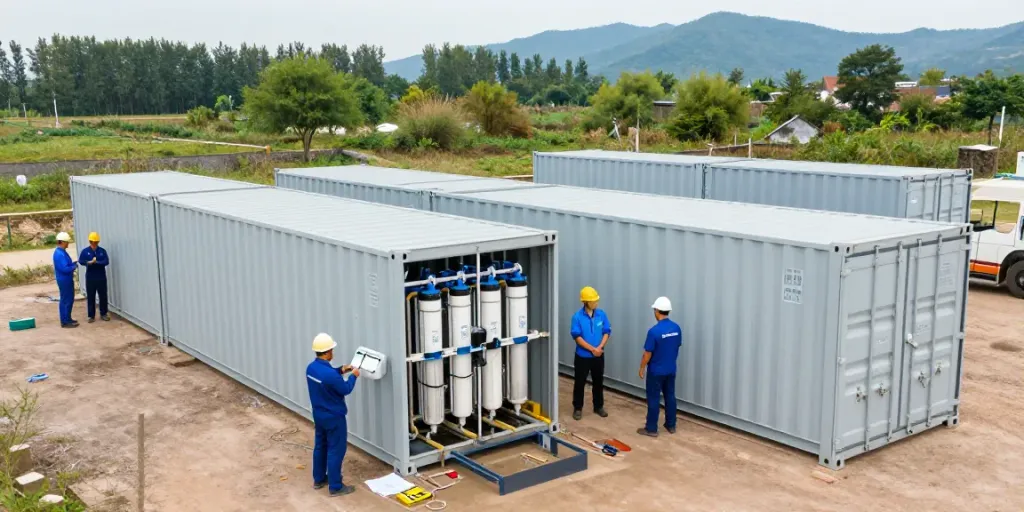
Containerized water treatment systems are portable water processing units designed within ISO shipping containers. These systems incorporate various treatment technologies, enabling them to function effectively as mini water treatment plants. Ranging from reverse osmosis (RO) and advanced oxidation processes to filtration and disinfection, these systems can be customized to address specific water quality challenges.
Moreover, their design facilitates easy transportation, installation, and expansion, making them exceptionally versatile. Whether for emergency response, agricultural irrigation, or industrial applications, containerized systems provide a reliable solution.
Core Components and Technologies
The effectiveness of containerized water treatment systems is largely due to their advanced core components, which include:
- Filtration Units: These remove suspended solids and large particles from the water, ensuring a clean baseline for further treatment.
- Reverse Osmosis Systems: RO technology is critical for producing high-purity drinking water, especially in areas with high salinity or contamination.
- Disinfection Modules: Technologies such as UV and chlorine disinfection are essential for eliminating pathogens and ensuring water safety.
- Control and Monitoring Systems: Equipped with intelligent controls, these systems allow for real-time monitoring and remote operation, optimizing the treatment processes.
Benefits of Modular Design
The modular design of containerized water treatment systems offers significant benefits:
- Flexibility: They can be customized to fit various water quality requirements and capacities.
- Rapid Deployment: On-site installation can occur within days rather than months, making them ideal for urgent needs.
- Space Efficiency: Their compact footprint allows for installation in areas where space is limited.
- Reusability: Containerized systems can be relocated and repurposed, reducing waste and extending their lifespan.
Efficiency Compared to Traditional Systems
Containerized water treatment systems outperform traditional water treatment facilities in numerous ways, particularly in terms of efficiency and operational costs. The following sections highlight these advantages.
Deployment Time: A Game Changer
One of the standout features of containerized systems is their remarkably quick deployment time. While traditional water treatment facilities can take six months or longer to construct, a containerized setup can be operational in just 3-7 days. This rapid deployment makes them particularly useful in emergency situations or where immediate water access is crucial.
Space Savings and Site Preparation
Traditional water treatment plants often require extensive civil engineering and groundwork, consuming large tracts of land. In contrast, containerized systems can be placed on flat ground, necessitating minimal site preparation. This not only saves time but also cuts costs and makes them ideal for urban or space-constrained environments.
Labor and Operational Cost Efficiency
With automated processes and intelligent control systems, labor costs associated with operating containerized systems are significantly lower than those involved in traditional setups, which often rely on manual labor and extensive oversight. The automation reduces human error and enhances operational efficiency, allowing for continuous monitoring and maintenance from remote locations.
Applications Across Industries
Containerized water treatment systems are versatile and suitable for various applications, ranging from municipal supplies to industrial processes. Below are key sectors where these systems excel.
Municipal Water Supply Systems
Municipalities facing challenges in providing clean drinking water can benefit immensely from containerized systems. These plants can be deployed rapidly in areas experiencing water shortages or contamination crises, ensuring communities have access to safe drinking water without the extensive delays of traditional infrastructure.
Industrial Applications and Pharmaceutical Uses
Industries requiring high-purity water, such as pharmaceuticals and electronics manufacturing, rely on containerized systems to maintain strict quality standards. Containerized RO systems can deliver the ultra-pure water required in these sectors while ensuring that operations remain uninterrupted, even during expansion or relocation.
Remote Location Solutions and Disaster Relief
In disaster-stricken areas or remote locations where traditional water supply lines are disrupted, containerized water treatment systems provide a reliable solution for emergency water supply. Their portability means they can be transported to remote sites quickly, delivering immediate access to clean water even in adverse conditions.
Environmental Impact and Resource Recycling
Containerized water treatment systems are not only efficient but also environmentally friendly. They promote sustainability through resource recycling and waste reduction, addressing global water scarcity issues effectively.
Reducing Water Waste: How It Works
Containerized systems are designed to minimize water waste through efficient treatment processes. By employing advanced technologies such as membrane filtration and reclaiming wastewater, these systems can significantly reduce the volume of water treated as waste, addressing the ongoing water crisis.
Reclaimed Water Integration
These systems can also integrate reclaimed water reuse modules, enhancing their environmental benefits. By treating and reusing wastewater for irrigation or industrial processes, containerized systems contribute to more sustainable water management practices.
Resource Recycling Rates and Sustainability
Containerized systems boast an impressive resource recycling rate of up to 80%, compared to traditional systems, which often record rates below 40%. This high recycling capability not only conserves water resources but also supports broader sustainability goals, making containerized systems a responsible choice for water treatment.
Future Trends and Innovations in 2026
As we look ahead to 2026, containerized water treatment systems are poised for significant technological advancements and increased adoption across various industries. Several trends are expected to shape their evolution.
Technological Advancements on the Horizon
Future innovations will likely include enhanced automation, AI-driven monitoring systems, and advanced filtration technologies. Such improvements promise to increase efficiency, reduce operational costs, and improve water quality, making these systems even more reliable.
Regulatory Changes and Market Adaptations
With increasing regulation on water quality standards globally, containerized systems may need to adapt to comply with stricter requirements. This change will drive investment in newer technologies and sustainable practices, further establishing containerized systems as a viable option for meeting these regulations.
Predicted Growth of Containerized Systems
Market research indicates a robust growth trajectory for containerized water treatment systems over the next few years, driven by their adaptability and low initial costs. As industries continue to focus on sustainability and efficiency, the demand for these systems is expected to rise significantly.
FAQs About Containerized Water Treatment Systems
What are the primary uses of containerized water treatment systems?
Containerized water treatment systems are used in various applications, including municipal water supply, industrial processes, disaster relief, and remote location water treatment, providing a flexible solution to meet diverse needs.
How do containerized systems compare in cost to traditional methods?
Containerized systems generally have a lower initial investment and operational costs compared to traditional water treatment plants, largely due to their modular design and reduced construction time.
What are the environmental benefits of using these systems?
Containerized systems contribute to waste reduction, promote water reuse, and have higher resource recycling rates compared to traditional systems, making them a more sustainable choice.
Can containerized water systems be used in emergency situations?
Yes, their rapid deployment capability makes containerized systems ideal for emergency water supply in disaster-affected areas or regions with urgent water needs.
What technological advancements are expected by 2026?
Anticipated advancements include improved automation, better real-time analytics powered by AI, and new filtration technologies that enhance efficiency and water quality.