The Phenomenon of Celebrity Look-Alikes
In a world captivated by the glitz and glamour of Hollywood, the phenomenon of celebrity look-alikes has taken on a life of its own. From social media trends to viral videos, more and more people are discovering their uncanny resemblances to famous personalities. This fascinating intersection of identity, technology, and culture not only entertains but also raises questions about our perceptions of beauty and celebrity. When exploring options, celebrities look alike provides comprehensive insights into this intriguing subject.
What Defines a Celebrity Look-Alike?
A celebrity look-alike is someone who bears a striking physical resemblance to a well-known figure in popular culture. This resemblance can manifest in various ways, including facial features, hairstyles, and even body types. The appeal of look-alikes often transcends mere visual similarity; it taps into the societal fascination with fame and the desire to connect with the lives of the stars we idolize.
Identifying a look-alike can be subjective, influenced by individual perceptions of beauty and familiarity with the celebrity in question. However, many times, the likeness can be so pronounced that it elicits surprise and delight among onlookers, driving the popularity of look-alike content online.
Historical Context of Look-Alikes in Pop Culture
The concept of celebrity look-alikes is not new. Throughout history, certain individuals have captured the public's imagination due to their resemblance to iconic figures. In the early 20th century, vaudeville shows featured performers who imitated famous personalities. As television became more prevalent, these imitations evolved into impersonations and tribute acts, leading to the rise of look-alike contests.
By the late 1990s and early 2000s, the internet changed the landscape, allowing ordinary people to showcase their similarities to celebrities in uniquely creative ways. Websites, forums, and social media platforms became popular venues for sharing these comparisons, fostering an online community that celebrates celebrity culture through the lens of resemblance.
Famous Celebrity Look-Alikes Throughout Years
Many celebrity look-alikes have garnered significant attention over the years, often gaining a following in their own right. One notable example is the resemblance between actors Amy Adams and Jessica Chastain; fans have frequently commented on their striking similarities. Another pair often mentioned is former President George W. Bush and actor Jeff Daniels, whose shared facial characteristics have amused audiences for years.
In the age of social media, look-alikes have leveraged platforms like Instagram and TikTok to reach broader audiences, showcasing their likenesses and even participating in challenges that pair them with the celebrities they resemble. This has given rise to a new wave of internet fame for everyday individuals, contributing to the ongoing fascination with celebrity look-alikes.
Technological Advancements in Celebrity Look-Alike Identification
Recent advancements in technology have transformed the way we identify celebrity look-alikes. With the advent of artificial intelligence (AI) and machine learning, the process has become more sophisticated and accessible. These technologies analyze facial features and create comparisons between users and extensive databases of celebrity images, delivering instant results.
The Role of AI in Finding Your Celebrity Twin
AI algorithms utilize facial recognition technology to scan photographs and identify similarities with known celebrities. Applications and online tools like "Celebs Like Me" and "StarByFace" allow users to upload their own photos and receive matches with famous faces. This has democratized the experience of finding one's celebrity twin, making it available to anyone with a smartphone or computer.
Mobile Apps vs. Traditional Methods
Traditionally, identifying a celebrity look-alike required manual comparison, often based on personal opinions or aesthetic judgments. However, mobile apps that utilize AI technology have streamlined this process significantly. They offer real-time feedback and a wider array of potential matches, making the search for a look-alike faster and more accurate.
- Convenience: Users can compare their photos against a vast database without needing any prior knowledge of the celebrities.
- Instant Results: Unlike traditional methods, which could take time and effort, mobile apps can deliver quick matches.
- Community Engagement: Many apps include social features where users can share their results and engage with others.
Future Trends in Look-Alike Technology
As technology continues to evolve, the future of celebrity look-alike identification appears promising. Innovations in augmented reality (AR) and virtual reality (VR) may soon integrate look-alike features into social media platforms, allowing users to interact with their celebrity counterparts in immersive environments. Moreover, advancements in genetic testing could potentially highlight shared ancestry between individuals and their celebrity doppelgängers, adding a new layer of intrigue to the conversation.
Exploring the Psychology Behind Celebrity Look-Alikes
The allure of celebrity look-alikes extends beyond mere visual similarity; it taps into deep-seated psychological factors. Understanding these motivations can provide insights into why we are drawn to certain celebrities and their look-alikes.
Why People Relate to Celebrity Look-Alikes
Many individuals find comfort in seeing their likeness reflected in someone famous. This connection can foster feelings of validation and acceptance, as people often admire the qualities that make celebrities desirable. Moreover, look-alikes can blur the lines between reality and fantasy, allowing fans to imagine themselves living the glamorous lives that their doppelgängers do.
In some cases, look-alikes become sources of inspiration for personal change, encouraging fans to adopt new styles or behaviors that mirror their celebrity counterparts. This phenomenon speaks to our inherent desire for connection and relatability in a world where celebrity culture often feels distant.
Impact on Self-Image and Identity
For many, discovering a celebrity look-alike can have a profound impact on self-image. It can boost confidence and self-esteem, leading individuals to feel more attractive and validated. However, this can also present challenges, as comparisons may lead to feelings of inadequacy or dissatisfaction, particularly if the celebrity embodies a beauty ideal that seems unattainable.
The balance between celebrating similarities and recognizing the uniqueness of individual identity is crucial. Encouraging a positive self-image while appreciating the fun of look-alikes can help mitigate these potential downsides.
Celebrity Culture and Its Influences
Celebrity culture plays a significant role in shaping our perceptions of beauty and desirability. When someone identifies with a celebrity look-alike, they may subconsciously adopt aspects of that celebrity's persona, from fashion choices to attitudes. This phenomenon can reinforce existing stereotypes and ideals, driving societal expectations around beauty and success.
Moreover, the rise of social media has intensified these influences, allowing for immediate feedback and validation from peers, which can further strengthen the connection between look-alikes and celebrity culture.
Finding Your Celebrity Twin: Tips and Resources
Whether you're curious about your own celebrity resemblance or simply want to participate in the trend, there are numerous resources available to help you find your celebrity twin. Here are some of the best options to consider.
Top Apps and Websites for Celebrity Look-Alikes
Several apps and websites have emerged that cater specifically to finding celebrity look-alikes:
- StarByFace: This app uses a neural network to compare your photo to a wide database of celebrity images.
- Celebs Like Me: A face-recognition app that provides matches based on uploaded pictures.
- Easemate: An online platform that lets you find your look-alike with just a few clicks.
How to Use Photo Comparison Tools Effectively
To get the most accurate results from photo comparison tools, consider the following tips:
- Use High-Quality Images: Clear, well-lit photos yield the best results.
- Avoid Filters: Filtering can alter your facial features, making it harder for the app to find accurate matches.
- Submit Multiple Photos: Different angles and expressions can provide a more comprehensive analysis.
Best Practices for Engaging with Look-Alike Communities
Joining online communities and forums dedicated to celebrity look-alikes can be a fun way to connect with others who share the same interests. When engaging with these communities, keep the following best practices in mind:
- Be Respectful: Appreciate everyone's unique features and avoid negative comparisons.
- Share Your Experience: Personal stories and photos can enrich the community and foster connections.
- Participate in Challenges: Engaging in popular challenges can create interactions and boost community spirit.
The Future of Celebrity Look-Alikes in Media
The evolving landscape of media will continue to shape how we perceive and engage with celebrity look-alikes. As the lines between reality and fiction blur, we can expect new interpretations and representations of this phenomenon.
Changing Perceptions of Celebrity in Society
As society changes, so do our perceptions of celebrity. The rise of social media influencers and reality stars has expanded our definitions of what it means to be a celebrity. This diversification opens the door for more individuals to find their celebrity look-alikes, encouraging broader acceptance of various beauty standards and identities.
Pros and Cons of Celebrity Impersonation
While impersonating celebrities can be entertaining and serve as a form of flattery, it can also raise ethical concerns. Issues of appropriation, authenticity, and the potential for misrepresentation arise in the context of look-alikes. Balancing celebration and respect for original celebrities is essential in navigating these waters.
Emerging Trends and Predictions for 2026
As we look to the future, expect to see even greater integration of technology and celebrity culture. Advancements in AI and virtual reality will likely enhance the look-alike experience, allowing for more interactive engagement and personalized content. Social media platforms may create unique spaces for look-alike interactions, further blurring the lines between fans and stars.
What is the Future of Celebrity Look-Alike Events?
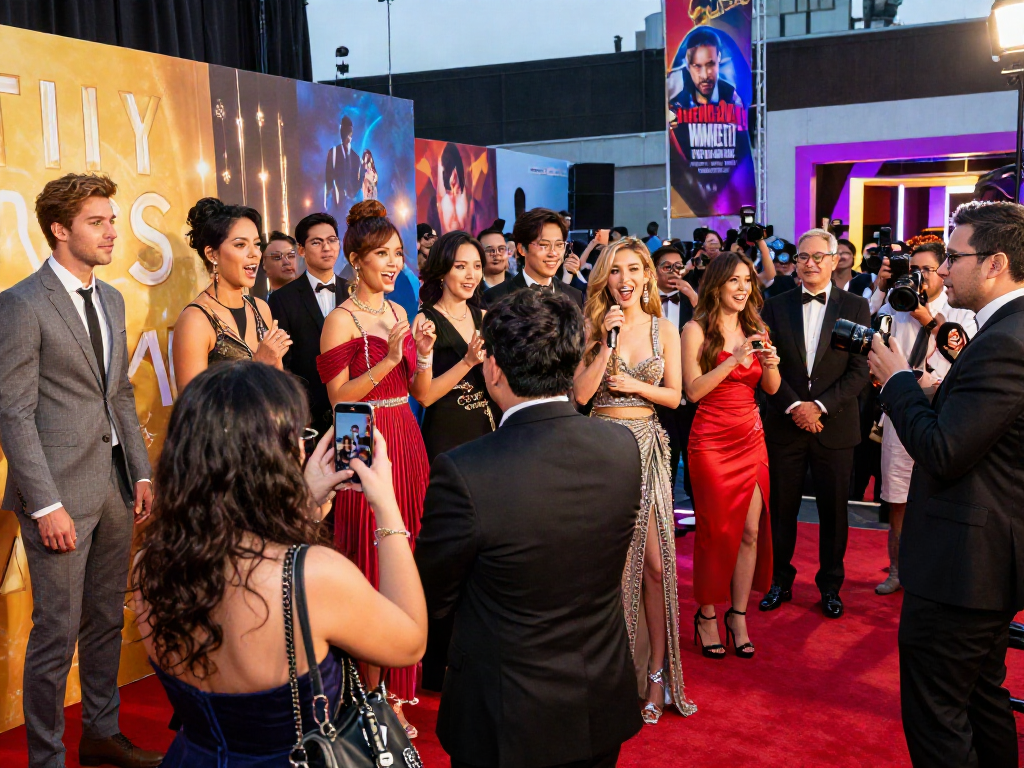
Celebrity look-alike contests and events are likely to remain popular, evolving to include interactive experiences and live streaming options. These events not only celebrate resemblance but also allow participants to express their creativity and connect with others who share similar interests. As the culture around celebrity look-alikes continues to grow, expect these gatherings to become more diverse and inclusive in their approach.