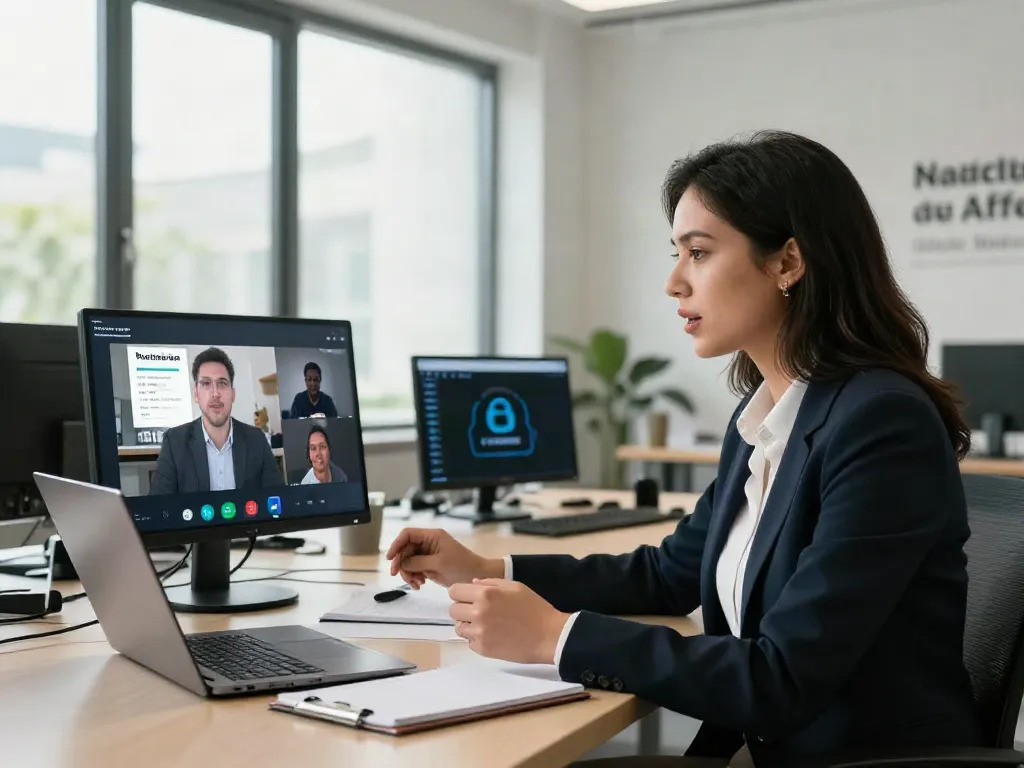
Understanding Deepfake Technology and Its Threats
As we move deeper into the digital age, video calls have become a staple for communication across personal and professional domains. However, the rise of advanced technologies, such as deepfakes, has introduced significant vulnerabilities. Deepfake protected Online Video Calls offer a pivotal solution to these concerns, ensuring authenticity in an era where deception can be a mere algorithm away.
What Are Deepfakes?
Deepfakes are a form of synthetic media where artificial intelligence (AI) is utilized to create realistic representations of human likenesses. The term typically refers to video and audio that have been altered or replaced to mislead viewers. By using deep learning techniques, particularly generative adversarial networks (GANs), deepfake technology can generate hyper-realistic clips that depict individuals saying or doing things they never actually did. This technology can be applied for entertainment, education, or to create more engaging online content, but its malicious use raises severe ethical and security concerns.
How Deepfakes Affect Online Communications
The implications of deepfake technology extend far beyond entertainment; it poses a real threat to online communications. With the capability to replicate voices and faces convincingly, deepfakes can undermine trust in video calls, leading to potential fraud, misinformation, and harmful reputational damage. For instance, corporate executives may be impersonated in a video call to authorize financial transactions, putting organizations at significant risk. The public's trust in visual media is gradually eroding, making it essential for businesses and individuals to adopt measures that ensure authenticity.
Common Misconceptions About Deepfake Risks
Despite growing awareness of deepfakes, numerous misconceptions persist. One common belief is that deepfakes are easy to identify; however, as the technology evolves, distinguishing real from fake content is becoming increasingly challenging. Another misconception is that only high-profile individuals are targeted. In reality, anyone engaged in online video communications can be at risk, necessitating robust security measures for everyone.
Essential Strategies for Securing Your Video Calls
To safeguard against the threats posed by deepfakes, individuals and organizations must adopt strategic measures. Understanding these strategies not only helps in identifying potential risks but also empowers users to protect themselves effectively.
Implementing Multi-Factor Authentication
One of the most effective ways to enhance security in online communications is through multi-factor authentication (MFA). By requiring additional verification steps—such as a text message code or a biometric scan—users can significantly reduce the risk of unauthorized access. MFA acts as a deterrent against imposters attempting to enter sensitive video calls.
Utilizing Advanced Deepfake Detection Tools
With the advancement of deepfake technology comes the necessity for detection tools. Numerous software solutions now exist that can analyze video content for signs of manipulation. By implementing these detection tools, users can ensure that the individuals they are communicating with are genuine, thus minimizing the risk associated with deepfake attacks.
Setting Safe Words for Verification
Establishing a safe word or phrase prior to a video call is another practical strategy. This method involves selecting a term known only to the parties involved in the call, allowing easy verification of identity. By incorporating safe words into standard procedures for video communications, users can quickly ascertain whether the person on the other end is who they claim to be.
Real-World Examples of Deepfake Scams
Examining real-world cases of deepfake scams reveals how ineffective security measures can lead to devastating outcomes. Understanding these scenarios highlights the urgency for adopting effective deepfake protection strategies.
Case Studies of Successful Deepfake Attacks
A notable example of deepfake misuse occurred in 2019 when a CEO's voice was convincingly mimicked in a fraudulent call, leading to a significant transfer of funds to a scammer. This incident underscores the critical need for companies to implement stringent identification protocols and awareness training for employees in recognizing deepfake-related threats.
Lessons Learned from Corporate Scandals
The risks of deepfakes extend beyond financial losses; they can also damage reputations irrevocably. Companies that fall victim to deepfake scams often face public backlash and a decline in trust, which can take years to rebuild. Learning from these incidents is vital for developing proactive measures and safeguarding against future attacks.
Emerging Patterns in Deepfake Scams
As technology continues to evolve, so do the tactics employed by scammers using deepfakes. Emerging patterns indicate an increase in targeted attacks focusing on high-profile executives, suggesting that organizations must remain vigilant and adopt advanced security measures to mitigate these risks.
Best Practices for Conducting Secure Video Conferences
Conducting secure video conferences requires a comprehensive understanding of potential threats and the implementation of best practices tailored to safeguard communications. Here are essential practices to enhance security during video calls.
Establishing Security Protocols for Meetings
Creating a set of security protocols for video conferences helps ensure a structured approach to identifying and addressing potential risks. This includes setting clear guidelines for what participants should do if they suspect a deepfake or an unauthorized attendee. Regularly updating these protocols in line with technological advancements is crucial for maintaining effectiveness.
Training Teams on Identifying Deepfake Signs
Employee training on recognizing deepfake characteristics plays a vital role in maintaining video call security. Workshops and seminars can help participants understand common indicators of manipulated media, such as unnatural facial movements or audio discrepancies. By empowering employees with knowledge, organizations can foster a culture of vigilance.
Utilizing VPNs for Enhanced Privacy
Using a Virtual Private Network (VPN) adds an extra layer of security to video calls by encrypting data and masking the user's IP address. This can prevent potential interception of communications, making it more difficult for malicious actors to infiltrate video calls or access sensitive information.
Future Trends in Deepfake Technology and Video Calls
As the digital landscape evolves, so does the sophistication of deepfake technology. Keeping an eye on future trends is essential for anticipating new threats and adapting strategies to combat them effectively.
Predictions for Deepfake Evolutions by 2026
Experts predict that deepfake technology will improve significantly by 2026, making videos even more realistic and harder to detect. As a result, organizations will need to invest in constantly evolving detection technologies and educate their staff on the latest deepfake tactics to stay ahead of threats.
How Businesses Can Adapt to New Technologies
With rapid technological advancements, businesses must remain flexible and proactive. This includes regularly updating security practices, investing in state-of-the-art detection tools, and fostering a culture of cybersecurity awareness among employees. Adapting to new technologies swiftly will be vital in mitigating risks associated with deepfake technology.
Preparing for Regulatory Changes on Digital Security
As digital security becomes a prominent issue, regulatory bodies are likely to impose new frameworks and guidelines to govern the use of deepfake technology. Businesses should prepare for these changes by staying informed and adjusting their compliance strategies to align with upcoming regulations.
What is deepfake technology?
Deepfake technology involves using artificial intelligence to create realistic yet fabricated content, often in the form of videos or audio. This technology can manipulate existing media or generate entirely new content by mimicking the appearance and voice of real individuals.
How can I detect a deepfake video call?
Detecting a deepfake video call requires vigilance. Signs include unnatural facial movements, audio mismatches, and inconsistencies in lighting or shadows. Utilizing detection software can also help verify the authenticity of video content before proceeding with discussions.
What measures can I take to secure my video calls?
Implementing multi-factor authentication, using advanced detection tools, and training employees on recognizing deepfakes can collectively enhance the security of video calls while establishing robust protocols for verifying identities.
Are there tools available for detecting deepfakes?
Yes, a variety of tools designed for detecting deepfakes are available, ranging from software specifically built for corporate security to applications that individuals can use to verify the authenticity of content before engaging in communication.
What future trends should I be aware of regarding deepfakes?
Future trends include advancements in detection technologies that utilize machine learning to identify deepfakes more effectively. Additionally, the regulatory landscape surrounding deepfakes is expected to evolve, prompting organizations to adopt stricter compliance measures.