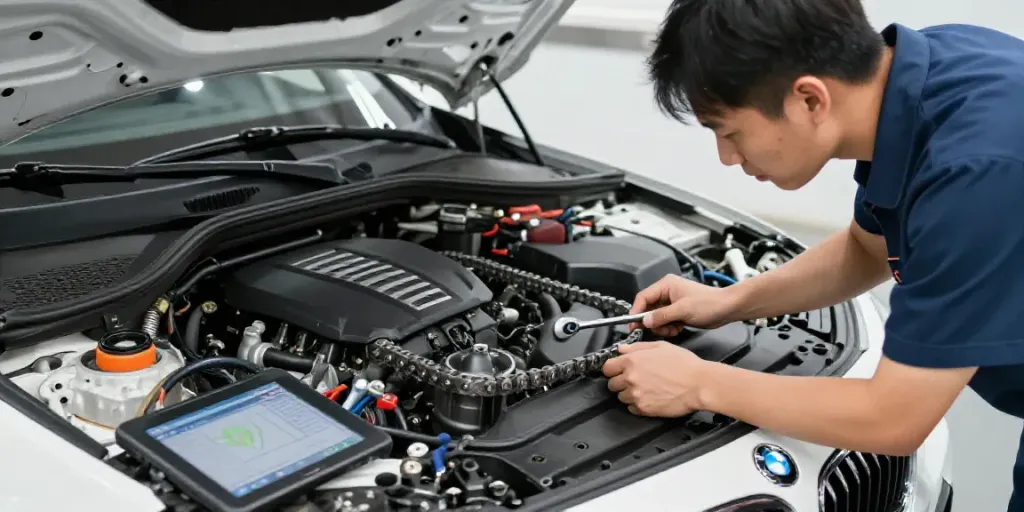
Understanding the Importance of BMW Steuerkette Wechseln
The timing chain, or Steuerkette, plays a crucial role in the operation of your BMW's engine, ensuring that the camshaft and crankshaft are synchronized for optimal performance. Ignoring the condition of your vehicle’s timing chain can lead to severe engine damage, costly repairs, and significant downtime. Therefore, understanding when and why to bmw steuerkette wechseln is vital for any BMW owner. This article will delve into the functionality of the timing chain, the signs that indicate a need for replacement, the costs associated with the service, and how to choose the right mechanic for the job.
What is a Timing Chain and How Does it Work?
The timing chain is a critical component of your BMW's engine. It is responsible for maintaining the correct timing between the crankshaft and the camshaft. This synchronization ensures that the engine's valves open and close at the right times during the combustion cycle, which is essential for smooth engine operation. Unlike a timing belt, which may need to be replaced regularly, a timing chain is designed to last much longer but can also wear out over time due to the high-stress conditions of engine operation.
Signs Your BMW Needs a Steuerkette Wechseln
As a BMW owner, being aware of the signs that indicate your vehicle's timing chain may need replacing can save you from significant damage. Here are some common red flags:
- Engine Noise: A rattling noise from the engine can indicate a loose or worn timing chain.
- Check Engine Light: This warning may illuminate if there are issues with the timing system.
- Engine Misfires: Irregular timing may cause misfires, affecting performance and fuel efficiency.
- Oil Contamination: Metal shavings in the engine oil can suggest deterioration of the timing chain.
Common Problems Associated with a Worn Timing Chain
Ignoring the symptoms of a failing timing chain can lead to catastrophic engine failure. Some common issues include:
- Engine Seizing: If the timing chain breaks, it can cause the engine's pistons to collide with the valves, leading to extensive damage.
- Increased Emissions: A faulty timing chain can disrupt the combustion process, leading to higher emissions and potential legal issues.
- Poor Performance: Decreased power and fuel efficiency can result from a timing chain that is not functioning properly.
Costs and Pricing Factors for the BMW Steuerkette Wechseln
The cost of replacing the timing chain varies based on several factors, including the car model, labor rates in your area, and whether you choose a dealership or an independent mechanic. Knowing these factors can help you budget for the necessary repairs.
Average Replacement Costs in 2026
As of 2026, the average cost to replace a BMW timing chain typically ranges from $1,100 to $2,200. This range accounts for different models and specific complexities in the replacement process. High-performance or luxury models may incur higher costs due to specialized parts and labor.
Factors Influencing Repair Prices
Several factors impact the overall cost of a timing chain replacement:
- Model and Engine Type: Different models have varying complexities in their engine designs.
- Location: Labor rates can differ significantly between regions.
- Mechanic vs. Dealership: Dealerships often charge more due to their specialized knowledge and OEM parts.
- Parts Quality: Original equipment manufacturer (OEM) parts will typically cost more than aftermarket options.
Comparing Costs Across Different BMW Models
It’s essential to consider the model-specific costs when planning a replacement:
- BMW 3 Series: Generally, you can expect to pay between $1,200 and $2,000.
- BMW 5 Series: Costs range from $1,500 to $2,500 due to more complex engine configurations.
- BMW X Series: Expect costs from $1,800 to $2,800, particularly for the X5 and X7.
The Process of Replacing a BMW Timing Chain
Understanding the replacement process can help you make informed decisions regarding your service. This section outlines the steps typically involved in a timing chain replacement.
Step-by-Step Guide to the Replacement Process
- Preparation: Disconnect the battery and drain the engine oil.
- Accessing the Timing Chain: Remove necessary components such as the engine cover and timing chain covers.
- Removing the Old Chain: Carefully detach the timing chain from the crankshaft and camshaft.
- Installing the New Chain: Align the new timing chain and ensure proper tension.
- Reassembly: Replace all removed components and refill the engine oil.
What Tools and Equipment are Needed?
Having the correct tools is crucial for a successful timing chain replacement. Some of the necessary tools include:
- Socket set
- Torque wrench
- Timing chain tools
- Oil filter wrench
- Engine hoist (for heavier engines)
Safety Precautions During the Replacement
Safety is paramount when undertaking engine repairs. Always wear appropriate protective gear, and ensure the vehicle is securely lifted if working underneath it. Additionally, handle all tools and equipment with care to avoid accidents.
Choosing the Right Mechanic for BMW Steuerkette Wechseln
Selecting a qualified mechanic for your timing chain replacement is essential for ensuring the work is done correctly. Here are some tips to help you make the right choice.
What to Look for in a Qualified Mechanic
When searching for a mechanic, consider their experience with BMW vehicles specifically. Certifications, customer reviews, and warranty offerings on parts and labor should also play a significant role in your decision.
Comparing Dealership vs Independent Mechanics
While dealerships have trained professionals with expertise in BMW repairs, independent mechanics can often provide more competitive pricing without sacrificing quality. Evaluate both options and choose based on your budget and trust level with the service provider.
Questions to Ask Before Committing to a Service
Before finalizing your choice, ask potential mechanics the following questions:
- What is the estimate for the total cost of the replacement?
- What parts do you recommend using?
- What is your warranty policy on parts and labor?
- How long will the replacement take?
Future Trends in BMW Timing Chain Technologies
As automotive technology evolves, so do the components of our vehicles. Here’s a look at some future trends in BMW timing chain technology.
Innovations in Engine Design and Their Impact
Manufacturers are continuously developing engines that require fewer moving parts and higher efficiency. This evolution will likely lead to changes in timing chain designs, possibly utilizing materials that are lighter and more durable.
Predicting Maintenance Needs for 2026 and Beyond
As technology advances, maintaining vehicles may become even more technology-driven, relying on sophisticated sensors to monitor the health of timing chains and other critical components. This shift could revolutionize how we approach vehicle maintenance and repairs.
How Technology is Evolving the Automotive Repair Industry
Increased use of diagnostic tools and automated systems is reshaping the repair landscape. Mechanics are now utilizing advanced software to quickly assess issues and predict future maintenance needs, enhancing the customer experience and ensuring vehicles remain in peak condition.