Understanding Facial Analysis Services as Alternatives to QOVES
In today's increasingly visual society, understanding and enhancing one’s appearance has become a priority for many individuals. Leveraging technology, facial analysis services such as QOVES have emerged, offering users tailored insights into their aesthetic features. These insights typically range from beauty scores to detailed improvement plans. However, QOVES isn’t the only player in this arena. As users seek to explore various options, Alternatives to QOVES provide diverse services that cater to different needs and preferences. In this guide, we will explore the core elements of facial analysis, key features to consider in alternatives, and the misconceptions surrounding AI beauty analysis.
What Does Facial Analysis Entail?
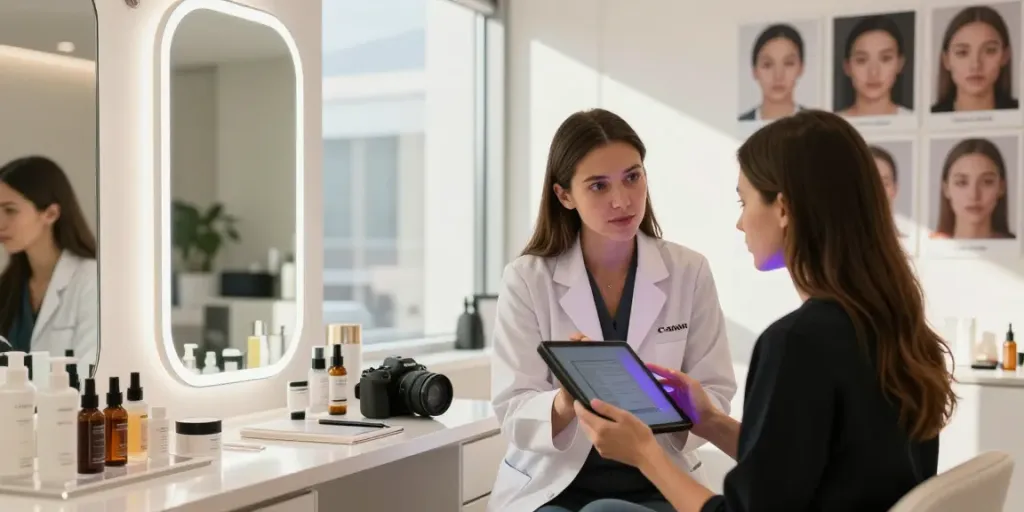
Facial analysis services use advanced algorithms and artificial intelligence (AI) to evaluate an individual's facial features. The purpose of these assessments is to enhance understanding of one's aesthetic appeal, often by comparing features against established beauty standards. These services can provide insights into symmetry, skin quality, and overall attractiveness, which can be helpful for personal grooming and cosmetic improvement. Users upload their images, and the AI processes these photos to deliver results that can range from simple scores to comprehensive plans detailing suggested enhancements.
Key Features to Look for in Alternatives to QOVES
When seeking an alternative to QOVES, it’s important to evaluate several key features that can significantly impact your experience and satisfaction:
- Human Review: Does the service utilize trained professionals to review the AI-generated results? Human oversight can add depth to analyses and ensure recommendations are practical and personalized.
- Type of Insights Provided: Are you receiving just a score or a detailed improvement plan? A comprehensive plan often includes actionable steps, which can be more beneficial than a single score.
- Cost Structure: Understand the full annual cost, not just the promotional rate. Some services may appear cheaper monthly but can accumulate to higher annual fees.
- Follow-Up Services: Does the provider offer ongoing assessments or progress tracking after the initial report? Regular updates can further guide your aesthetic journey.
Common Misconceptions About AI Beauty Analysis
Despite the growing popularity of AI-driven facial analysis, many misconceptions persist. One such myth is that the technology can provide an indisputable measure of beauty. However, beauty is subjective, and AI analysis often reflects standardized aesthetic norms rather than universally accepted ideals. Furthermore, users may misinterpret a score or recommendation as definitive, not considering that these results should be just one part of a comprehensive self-improvement strategy.
Five Notable Alternatives to QOVES
With several alternatives available, users can choose from various services that cater to specific preferences and budgets. Here are five notable alternatives worth considering:
Overview of ClinicEvo's Services
ClinicEvo stands out among the alternatives by offering a membership-based model priced at $12 per month. This service combines AI facial analysis with human reviews by trained aesthetics specialists, ensuring that each report provides a personalized EvoPlan™. Users receive their comprehensive report within five business days, which includes suggested improvements tailored to their unique features. This combination of technology and human expertise makes ClinicEvo a reputable choice for those seeking detailed insights and actionable guidance.
Deep Dive into Umax Features and Pricing
Umax is an app that provides instant facial analysis with an emphasis on score-based evaluations. This service offers a quick assessment of a user's selfie, providing a rating along with suggestions for improvement. Priced competitively, Umax allows users to gain instant feedback without the waiting period associated with human-reviewed services. However, users should be aware that Umax primarily offers automated scores rather than personalized plans, which might limit detail in improvement suggestions.
Comparative Insights on LooksMax AI
LooksMax AI is another robust option in the facial analysis landscape, particularly for users interested in enhancing their aesthetic appeal. This service utilizes AI technology to return a beauty score and includes recommendations for grooming, skincare, and hairstyle adjustments. The pricing model is similar to Umax, focusing on affordability and accessibility. While LooksMax AI impresses with its user-friendly interface and prompt results, it lacks the human review component, which may lead to less personalized guidance.
Pricing Structures and Membership Models
Price is a critical factor when evaluating facial analysis services. Each alternative to QOVES listed above has distinct pricing structures that cater to different user preferences.
How Do Membership Fees Compare?
Overall, ClinicEvo’s monthly rate of $12, equating to approximately $144 per year, is competitive against QOVES’ annual fee of $150. In contrast, both Umax and LooksMax AI offer monthly subscriptions or pay-per-use models that can appear attractive up front but may result in higher costs over time, especially when considering the annualized figures for weekly subscriptions.
Understanding Trial Offers and Free Versions
For those hesitant to commit financially, some services provide trial offers or free versions. PrettyScale and FaceRate.ai are examples of platforms that allow users to access basic features without charge. However, these services typically provide only scores rather than detailed improvement plans, making them suitable for users looking for quick feedback but not necessarily comprehensive guidance.
Analyzing Cost-Effectiveness of Each Service
When evaluating cost-effectiveness, users should weigh the benefits of human oversight in services like ClinicEvo against the quick, automated responses of apps like Umax and LooksMax AI. The long-term value of a well-reviewed plan may offset a higher price for users committed to pursuing significant improvements.
Evaluating Quality: Human Reviews vs. Automated Reports
The depth and quality of facial analysis can vary significantly between services that offer human reviews and those that rely solely on automated reports. Understanding these differences is crucial for users seeking reliable results.
Importance of Expert Analysis in Beauty Assessments
Expert analysis adds a layer of credibility to facial assessments. In services like ClinicEvo, trained specialists review the AI-generated reports, ensuring that recommendations are both relevant and practicable. This human element can help mitigate the risks associated with automated assessments, such as overlooking unique features or personal preferences.
How Automation Changes the Game for Users
While automation makes facial analysis more accessible, it comes with limitations. Users may get fast results from apps like Umax and LooksMax AI, but these reports often lack nuance and may not address individual aesthetic concerns thoroughly. Consequently, users should consider whether a quick score suffices or if a detailed plan is necessary for their goals.
Client Experiences and Testimonials
User testimonials can provide valuable insights into the effectiveness of various services. Many users of ClinicEvo report satisfaction with the detailed guidance provided after human review, highlighting the importance of personalized recommendations. Conversely, users of automated services like PrettyScale often note the convenience but may express disappointment regarding the lack of a tailored improvement plan.
Future Trends in Facial Analysis Technology
The facial analysis landscape is evolving rapidly, driven by advancements in AI and machine learning. As technology progresses, users can expect enhanced features and more sophisticated analysis tools.
Emerging Technologies in Beauty Evaluation
New technologies, such as augmented reality (AR) and virtual reality (VR), are poised to enhance facial analysis experiences. These innovations can provide users with real-time feedback during makeovers or aesthetic treatments, allowing for more interactive and engaging evaluations.
What to Expect in Facial Analysis Services by 2026
By 2026, it’s anticipated that facial analysis services will become increasingly integrated with social media platforms and beauty e-commerce. This integration may facilitate seamless user experiences where individuals can receive analysis and purchase recommended products simultaneously, streamlining their beauty enhancement journey.
Industry Experts’ Predictions on Beauty Apps
Experts foretell that personalized experiences will be a significant trend in beauty apps, with more emphasis on understanding individual user needs. As AI continues to improve, the recommendations provided are expected to become more tailored and effective, enhancing user satisfaction and results.
Is AI the Future of Beauty Analysis?
AI technology undoubtedly plays a critical role in the beauty analysis sector, providing users with unprecedented access to beauty insights quickly. However, as demand grows for more personalized approaches, the integration of human expertise alongside AI will likely define the future of this industry. Users are encouraged to consider how they might benefit from both automated insights and expert evaluations as they explore options.