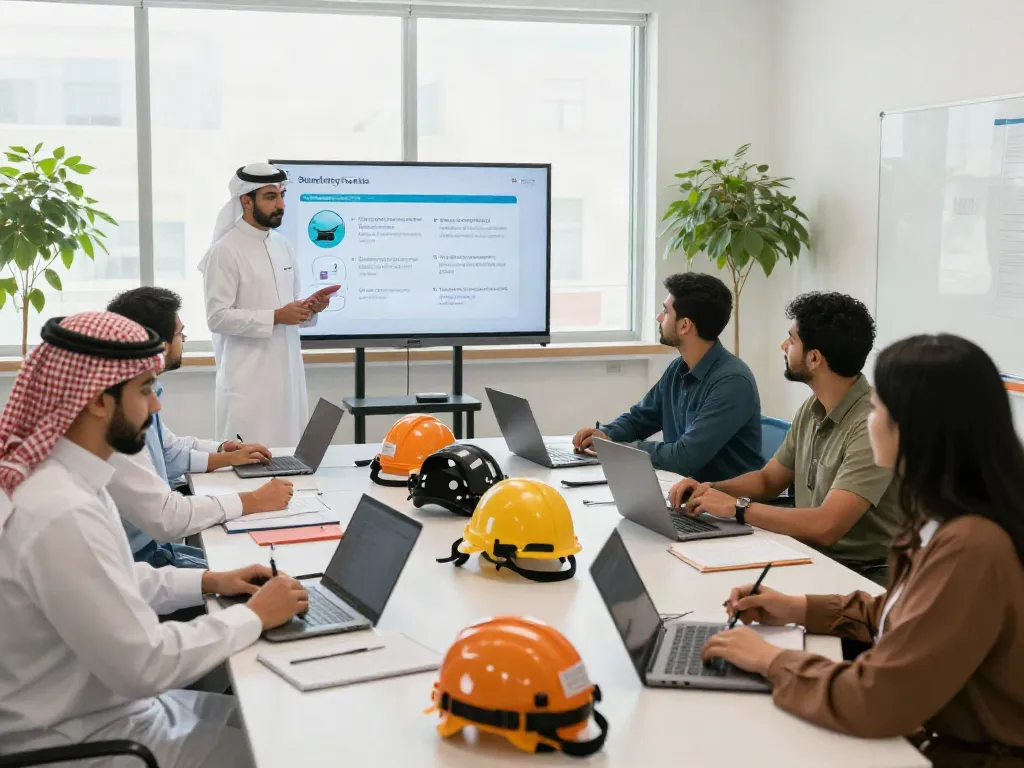
Understanding the Role of Training Institutes in Saudi Arabia
In today's competitive landscape, training institutes play a pivotal role in equipping professionals with necessary skills and certifications tailored to the job market in Saudi Arabia. As industries evolve, the demand for specialized training programs tailored to health, safety, and environmental (HSE) practices is on the rise. Training Institute Saudi Arabia provides comprehensive insights into available programs that cater to these growing needs.
What is a Training Institute?
A training institute is an organization that provides practical and theoretical education to individuals seeking to enhance their knowledge and skills in specific areas. These institutes offer various programs, including degree courses, certifications, and vocational training designed for both personal and professional development. In Saudi Arabia, training institutes are essential in bridging the skills gap between the workforce and the dynamic demands of various industries.
The Importance of Training in Various Industries
Training is not just an option but a necessity for professionals in industries such as oil and gas, construction, manufacturing, and healthcare. As organizations strive for operational excellence, comprehensive training programs help ensure compliance with local regulations and international standards while improving employee performance and workplace safety. Furthermore, investing in employee training reflects a company’s commitment to its workforce, promoting a culture of continuous improvement and a proactive approach to risk management.
Key Regulations Influencing Training Standards
Saudi Arabia has established a robust framework of regulations that influence training standards across various sectors. Key bodies, such as the Saudi Ministry of Human Resources and Social Development, outline specific training requirements to bolster workforce competence. Various laws and initiatives aim to elevate the professional capabilities of Saudi nationals, ensuring alignment with Vision 2030 goals. This regulatory landscape emphasizes the importance of accredited training programs that can effectively prepare professionals for local and global challenges.
Top Program Offerings in Saudi Arabian Training Institutes
Health, Safety, and Environmental Training Programs
Health, safety, and environmental training programs are essential for safeguarding workers and minimizing risks. Prominent courses include:
- National Fire Protection Association (NFPA) certifications
- ProQual (UK) diplomas in Occupational Health and Safety
- NVQ Level 6 Diploma in Occupational Health and Safety Practice
- IOSH Managing Safely certification
These programs are designed not only to meet regulatory compliance but also to foster a safety-first culture within organizations, ultimately reducing the likelihood of workplace accidents and incidents.
ISO Certifications and Their Relevance
ISO certifications are crucial in establishing quality management systems across organizations. In Saudi Arabia, the most relevant certifications include:
- ISO 9001:2015 for Quality Management Systems (QMS)
- ISO 14001:2026 for Environmental Management Systems (EMS)
- ISO 45001:2018 for Occupational Health and Safety Management Systems (OHSMS)
Obtaining ISO certification not only improves organizational practices but also enhances credibility and marketability. It signifies a commitment to quality and environmental responsibility in an increasingly eco-conscious workforce.
Diploma and Certification Courses Overview
Various diploma and certification courses are available to suit different career paths, including:
- ProQual Level 7 Diploma in Strategic Health and Safety Leadership and Management
- ProQual Level 6 Diploma in Sustainability and Environmental Management
- NVQ Level 3 Certificate in Occupational Health and Safety
These programs are structured to provide practical knowledge and skills that enhance employability and career progression for graduates in a competitive job market.
Choosing the Right Training Institute
Factors to Consider When Selecting an Institute
When selecting a training institute, several factors should be considered:
- Accreditation and recognition of the institute
- Quality and relevance of the course offerings
- Experienced and qualified instructors
- Flexibility in training schedules and formats (online, on-site)
- Success rates of past students and employer testimonials
Conducting thorough research and consultation can help ensure the right fit for your professional development needs.
Comparative Analysis of Leading Training Providers
With numerous training providers operating in Saudi Arabia, it is crucial to compare offerings based on key criteria. Burraq Consulting, for instance, is recognized for its extensive HSE certification courses and strong partnerships with international accreditation bodies like the National Fire Protection Association (NFPA) and ProQual (UK). Such affiliations enhance the credibility and value of their programs compared to other local institutes.
How to Assess the Quality of Training Programs
To assess the quality of training programs, you can:
- Review course outlines and content depth
- Seek feedback from alumni and current students
- Investigate partnerships with industry leaders
- Evaluate facilities, resources, and technology used in training
Quality training should result in tangible skills that can be effectively applied in the workplace, making this evaluation a critical step in your decision-making process.
Industry-Specific Training Needs
Training Programs for Oil & Gas Sector Professionals
The oil and gas sector in Saudi Arabia demands specialized training due to the inherent risks associated with the industry. Key training programs include:
- Advanced safety management courses
- Emergency response training
- Confined space entry training
These programs ensure that professionals are equipped with the skills needed to navigate hazardous situations and comply with stringent regulations.
Construction Industry Safety Training Essentials
Safety training in the construction sector is paramount, given the high incidence of accidents. Essential courses include:
- Behavior-Based Safety training
- Work at Height certifications
- Risk assessment workshops
Such training is focused on mitigating risks and enhancing the safety culture on construction sites, ultimately protecting workers and assets.
Emerging Trends in Environmental Management Training
As environmental concerns gain prominence, training in sustainability and environmental management is increasingly important. Emerging trends include:
- Courses on environmental impact assessments
- Training in sustainable practices and green certifications
- Workshops on waste management and reduction strategies
By addressing these areas, organizations can not only comply with regulations but also position themselves as leaders in sustainability.
The Future of Training Institutes in Saudi Arabia
Predictions for Training Needs in 2026 and Beyond
Future training needs in Saudi Arabia will likely be shaped by the ongoing industrialization and diversification initiatives under Vision 2030. The demand for skilled professionals is expected to rise across all sectors, particularly in advanced manufacturing, renewable energy, and digital technologies. Training institutes must adapt their offerings to meet these changing needs, emphasizing flexibility and relevance.
Technological Advancements Impacting Training Delivery
Technological advancements are revolutionizing how training is delivered. Key trends include:
- Increased use of e-learning platforms and virtual classrooms
- Integration of augmented and virtual reality for immersive learning experiences
- Data analytics for tracking learner progress and outcomes
Training institutes that leverage these technologies will better engage learners and enhance the overall educational experience.
Preparing for the Evolving Job Market in Saudi Arabia
As the job market evolves, individuals must be proactive in seeking training opportunities that align with industry needs. By choosing accredited programs and relevant courses, professionals can enhance their employability and adaptability in an ever-changing labor landscape. Continuous learning will be vital for career advancement and competitiveness in the future job market.
What are the benefits of enrolling in a training institute?
Enrolling in a training institute offers numerous benefits, including:
- Gaining industry-recognized certifications
- Access to expert instructors and real-world insights
- Networking opportunities with industry professionals
- Increased career advancement prospects and marketability
Such advantages make investing in training a strategic move for professionals aiming to excel in their careers.
How do I find accredited training institutes in Saudi Arabia?
To find accredited training institutes, individuals can:
- Consult industry associations and regulatory bodies for lists of recognized providers
- Seek recommendations from peers in the field
- Review online directories and comparative platforms
Ensuring the credibility of an institution is essential for obtaining quality training and certifications.
What safety training certifications are recognized in Saudi Arabia?
Recognized safety training certifications in Saudi Arabia include:
- Nebosh International General Certificate
- IOSH Managing Safely
- ProQual Health and Safety diplomas
- NFPA certifications
These certifications are essential for professionals aiming to work in high-risk industries while ensuring compliance with national regulations.
What is the typical duration of training programs?
The duration of training programs can vary significantly based on the type and level of certification. Typical ranges include:
- Short courses: 1-5 days
- Diploma courses: 1-2 years
- Certification programs: 1-6 months
Potential learners should review course specifics regarding duration and schedule flexibility.
Are online training options available from Saudi institutes?
Yes, many training institutes in Saudi Arabia offer online training options, which cater to the growing demand for flexible learning solutions. Virtual classes and on-demand materials allow professionals to manage their learning alongside their work commitments, making education more accessible than ever.